
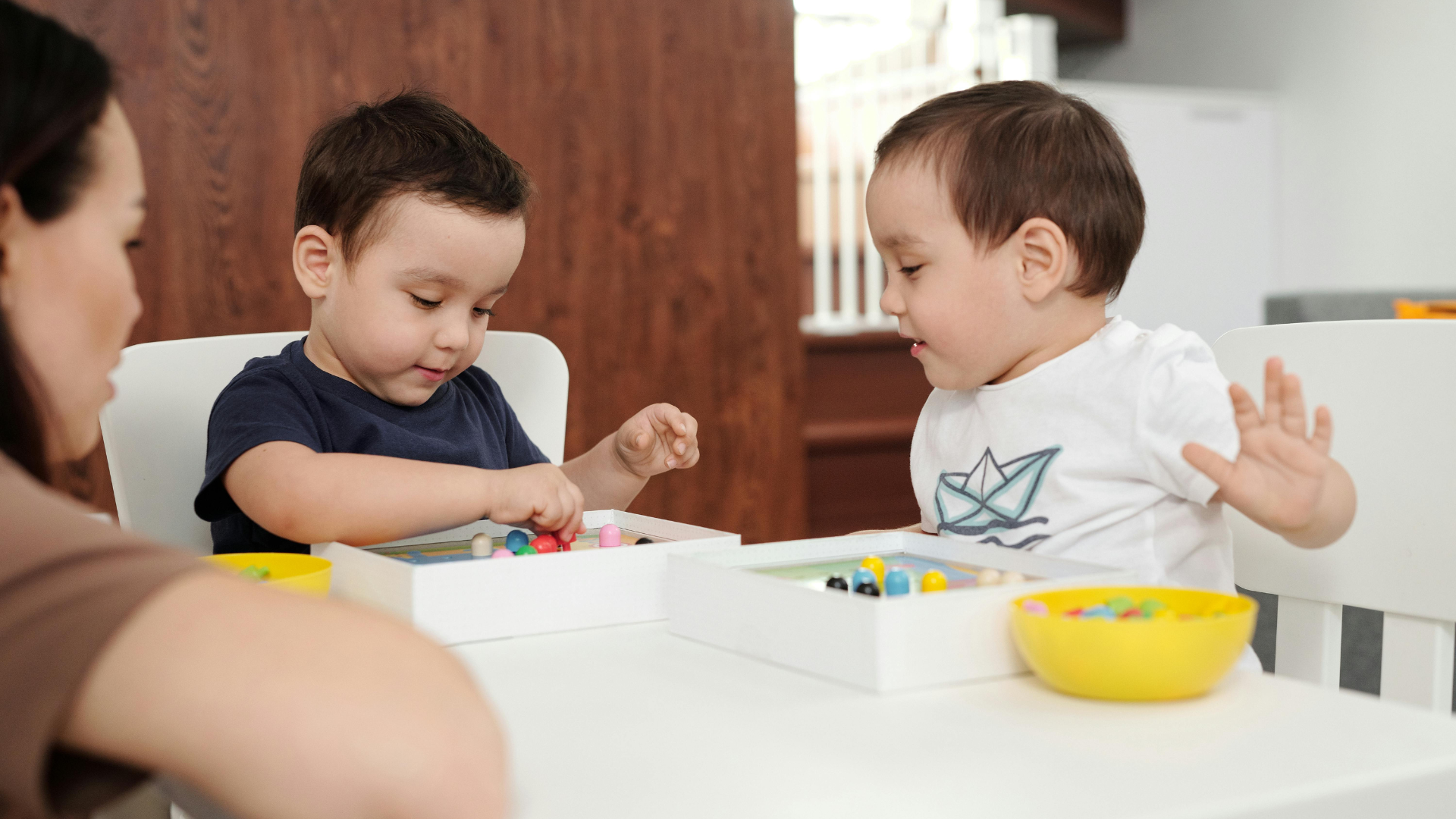
How Structure Supports Young Children’s Development? It plays a pivotal role in the development of young children, particularly during their formative years in toddlerhood and preschool. At Les Fanfans Daycare, we recognize that a well-organized environment fosters security, encourages exploration, and enhances learning opportunities for our little ones. By providing a structured program tailored to toddlers and preschoolers, we create a foundation that supports their emotional, social, and cognitive growth.
One of the primary benefits of structure is the sense of security it provides to young children. During early childhood, children are navigating a world filled with new experiences and emotions. A structured environment offers predictability, which helps them feel safe and secure. At Les Fanfans Daycare, we implement consistent daily routines that include designated times for activities, meals, and rest. This predictability allows toddlers and preschoolers to understand what to expect throughout the day, reducing anxiety and fostering a sense of belonging. When children know what comes next, they can focus on engaging with their peers and exploring their surroundings without the fear of the unknown.
Moreover, structure enhances children’s ability to learn and develop essential skills. Young children thrive when they have clear expectations and guidelines. At Les Fanfans Daycare, our structured program incorporates a variety of activities designed to promote cognitive development, such as storytelling, arts and crafts, and interactive play. Each activity is thoughtfully planned to align with developmental milestones, ensuring that toddlers and preschoolers are not only having fun but also acquiring new skills. For instance, group activities encourage teamwork and cooperation, while individual tasks foster independence and self-confidence. By providing a structured framework for learning, we help children build a strong foundation for future academic success.
In addition to cognitive benefits, structure also plays a crucial role in social development. Young children are naturally inclined to explore social interactions, and a structured environment provides opportunities for them to practice these skills. We encourage cooperative play, sharing, and communication through organized group activities. By participating in structured play, toddlers and preschoolers learn valuable social skills, such as taking turns, resolving conflicts, and expressing their feelings. These experiences are essential for developing empathy and building positive relationships with peers. The consistent social interactions fostered by our structured program help children feel connected and supported within their community.
Furthermore, structure aids in the development of self-discipline and responsibility. As toddlers and preschoolers engage in a routine, they learn to manage their time and understand the importance of following rules. We also emphasize the significance of personal responsibility through age-appropriate tasks, such as helping to clean up after activities or taking care of classroom materials. These responsibilities instill a sense of ownership and pride in their environment, encouraging children to take initiative and contribute to the group. By fostering self-discipline in a structured setting, we prepare young children for the expectations they will encounter in school and beyond.
Another important aspect of structure is its role in promoting emotional well-being. Young children often experience a wide range of emotions, and a structured environment provides a safe space for them to express these feelings. We encourage open communication and emotional expression through activities that promote self-awareness. By teaching children to recognize and articulate their emotions, we help them develop emotional intelligence, which is crucial for navigating relationships and understanding themselves. Our structured program includes moments for reflection and sharing, allowing children to process their feelings in a supportive environment.
In conclusion, structure is a fundamental component of young children’s development, providing them with the security, learning opportunities, and social skills they need to thrive. Our structured program is designed to nurture toddlers and preschoolers, fostering their growth in a safe and engaging environment. By emphasizing routine, responsibility, and emotional well-being, we prepare children for a successful transition to school and life beyond.
If you’re looking for a nurturing and structured environment for your child, consider enrolling them our daycare center. Together, we can support your child’s development and set them on a path to success! Book a tour now!